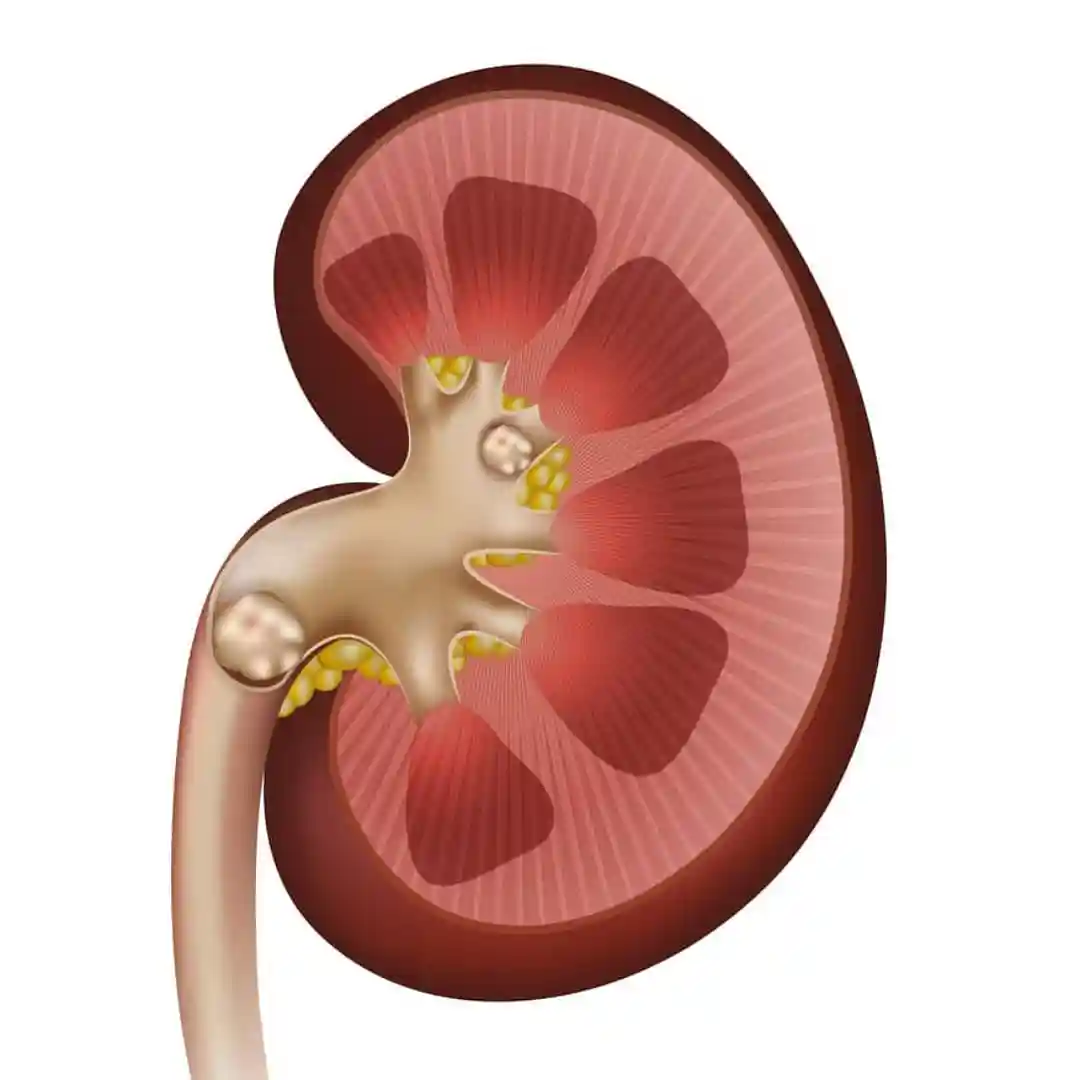



Beyond Access: Understanding The Perceptual Barriers to Inhaled Therapy in India

Background
India carries a significant share of the global asthma burden, accounting for nearly 13% of cases while contributing to a disproportionately high number of asthma-related deaths.1 This gap is not just about access to care, but also about awareness and understanding. Even though effective treatments are available today, many people are still not able to get the full benefit from them. Making anti-inflammatory inhaled treatments accessible for all highlights an important reality: access is not only about availability, but also about acceptance and adherence.1
Stigma and Silence: The Overlooked Impact of Poorly Controlled Asthma
One of the biggest challenges in asthma care in India is the continued stigma and misconceptions surrounding both the disease and its treatment. Asthma is often under-recognised, sometimes referred to by alternative terms like ‘swas’ or ‘dama’, and in many cases, not formally diagnosed at all. Among children, this is further compounded by parental hesitation, where symptoms may be overlooked or medical care delayed due to fear, denial, or social stigma.2
The impact of this goes beyond health alone. Children with untreated or poorly controlled asthma are more likely to miss school, avoid physical activity, and experience frequent flare-ups that may require emergency care or hospital visits. Even when diagnosed, treatment is not always continued as prescribed many patients tend to stop medication once symptoms improve, or learn to tolerate symptoms over time. This pattern of inconsistent treatment can lead to poorer control and increased risk of complications, highlighting the need for sustained awareness and education about treatment compliance.2
When Treatment Exists but Isn’t Fully Used
Asthma control is not just about managing day-to-day symptoms, but also about reducing the risk of future flare-ups, hospitalisations, and long-term complications. However, even when diagnosed - inhalation therapy, the cornerstone of asthma management - is not used enough.3
When someone is diagnosed with a chronic lung disease like asthma, their registered medical practitioner typically prescribes two types of treatment:4
- a long-term controller medication, taken regularly to manage symptoms and prevent flare-ups, and
- a quick-relief or ‘rescue’ medication, used for immediate relief during an attack.
While both play an important role, treatment in real life is often skewed towards managing symptoms alone. This is largely due to a continued dependence on quick-relief inhalers.5
When treatment is initiated with short-acting relief medication alone, it can reinforce the habit of using inhalers only during episodes of breathlessness. Over time, this reduces the likelihood of patients adopting daily anti-inflammatory inhalers, which are essential to control the underlying airway inflammation and prevent severe outcomes. As a result, while patients may feel temporary relief, the disease itself remains insufficiently controlled.5
Beyond Availability: Making Treatment Work in Real Life
Bridging this gap requires a shift in how asthma treatment is understood and used, not just as a quick fix for symptoms, but as a long-term approach to control the disease, reduce future risk and improve quality of life. Patients and caregivers need to be supported with the right information, trained on correct inhaler technique, and encouraged to follow treatment plans consistently in consultation with their doctors. Strengthening early diagnosis and enabling regular follow-ups can further improve long-term outcomes.
Improving asthma outcomes in India will depend on how effectively we can align awareness with access. When patients are empowered with the right information and supported in their treatment journey, inhaled therapies can significantly improve quality of life. The path forward lies not just in making treatments available, but in ensuring they are understood, accepted, and used as intended.
Disclaimer: This information is only for general awareness and is neither intended nor expected to promote, use, or endorse any product or encourage use of medicines or treatment in any way nor implied to be a substitute for professional medical advice nor for diagnosis or treatment/cure of any medical condition. The views expressed are independent opinion based on studies from validated qualified sources. Your discretion must be exercised before using the information for consulting doctor. Please consult your doctor/Registered Medical Practitioner before starting any treatment/medicine/ inhaler. This is being used only as a reference to create awareness and is NOT an advertisement
References
[1] Salvi, Sundeep1,2,; Madas, Sapna1; Ghorpade, Deesha1; Gadhave, Swapnil1; Barne, Monica1. Is underuse of Inhaled Corticosteroids for Asthma in India contributing to 42% of global asthma deaths?. Lung India 39(4):p 331-336, Jul–Aug 2022. | DOI: 10.4103/lungindia.lungindia_600_21
2 Singh S, Salvi S, Mangal DK, Singh M, Awasthi S, Mahesh PA, Kabra SK, Mohammed S, Sukumaran TU, Ghoshal AG, Barne M, Sinha S, Kochar SK, Singh N, Singh U, Patel KK, Sharma AK, Girase B, Chauhan A, Sit N, Siddaiah JB, Singh V. Prevalence, time trends and treatment practices of asthma in India: the Global Asthma Network study. ERJ Open Res. 2022 May 30;8(2):00528-2021. doi: 10.1183/23120541.00528-2021. PMID: 35651368; PMCID: PMC9149387.
3 Scichilone N. Asthma control: the right inhaler for the right patient. Adv Ther. 2015 Apr;32(4):285-92. doi: 10.1007/s12325-015-0201-9. Epub 2015 Apr 7. PMID: 25845769; PMCID: PMC4415938.
4 https://www.mayoclinic.org/diseases-conditions/asthma/in-depth/asthma-medications/art-20045557
5 Mortimer K, Salvi SS, Reddel HK. Closing gaps in asthma care in India - World Asthma Day 2022. Indian J Med Res. 2022 Jul;156(1):6-9. doi: 10.4103/ijmr.ijmr_893_22. PMID: 36510892; PMCID: PMC9903387.




.webp?updated=20250515071619)